Every transfer starts with a dialogue between territories, people and different ways of looking at the same challenge.
During the testing phase, GREENSMARTMED put a simple idea to the test: green innovation grows when regions, institutions, research centres and businesses learn to work together. Now that idea is ready to be scaled.
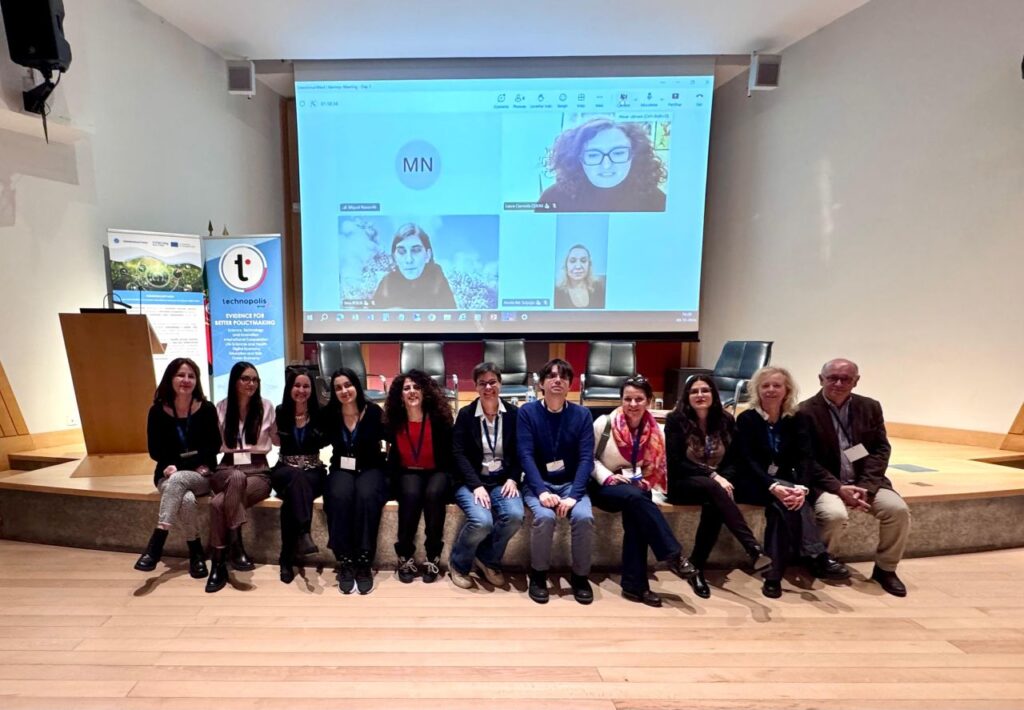
On 9 and 10 November 2026, we met in Évora, in the heart of Alentejo, Portugal, to open a new chapter. Hosted at the headquarters of CCDR Alentejo and organised by Technopolis Group Portugal, the meeting formally launched the transfer phase, which started in July. This journey will bring the project methodology to four new territories, Alentejo, Sarajevo, Skopje and Eastern Slovenia, where the new Regional Core Groups will be established in 2027.
Day 1 – Kicking off our transfer journey
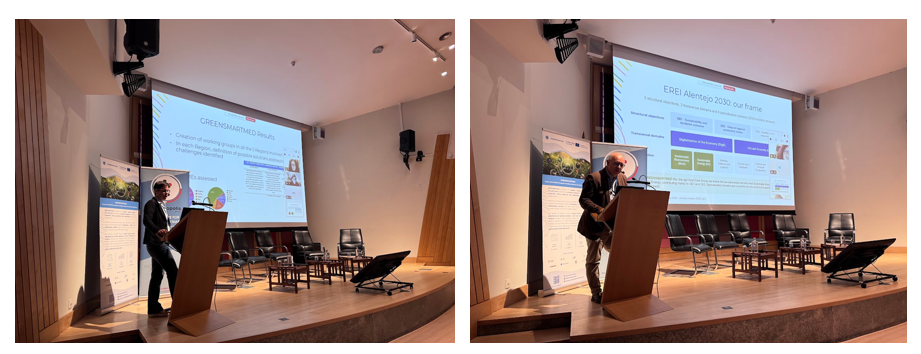
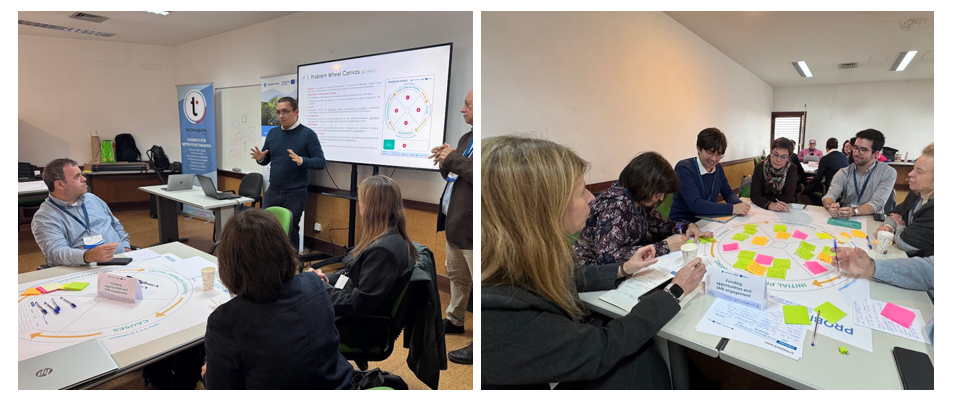
On the afternoon of 9 November, after a welcome from CCDR Alentejo and Technopolis, the University of Bergamo, project Lead Partner, guided the partners through a shared review of the key steps of the GREENSMARTMED methodology, drawing on examples from the pilot regions and reflecting on what needs to be adapted to the new contexts. Technopolis and CCDR Alentejo then offered a first look at the Alentejo regional ecosystem, presenting a preview of the mapping of local agri-food actors.
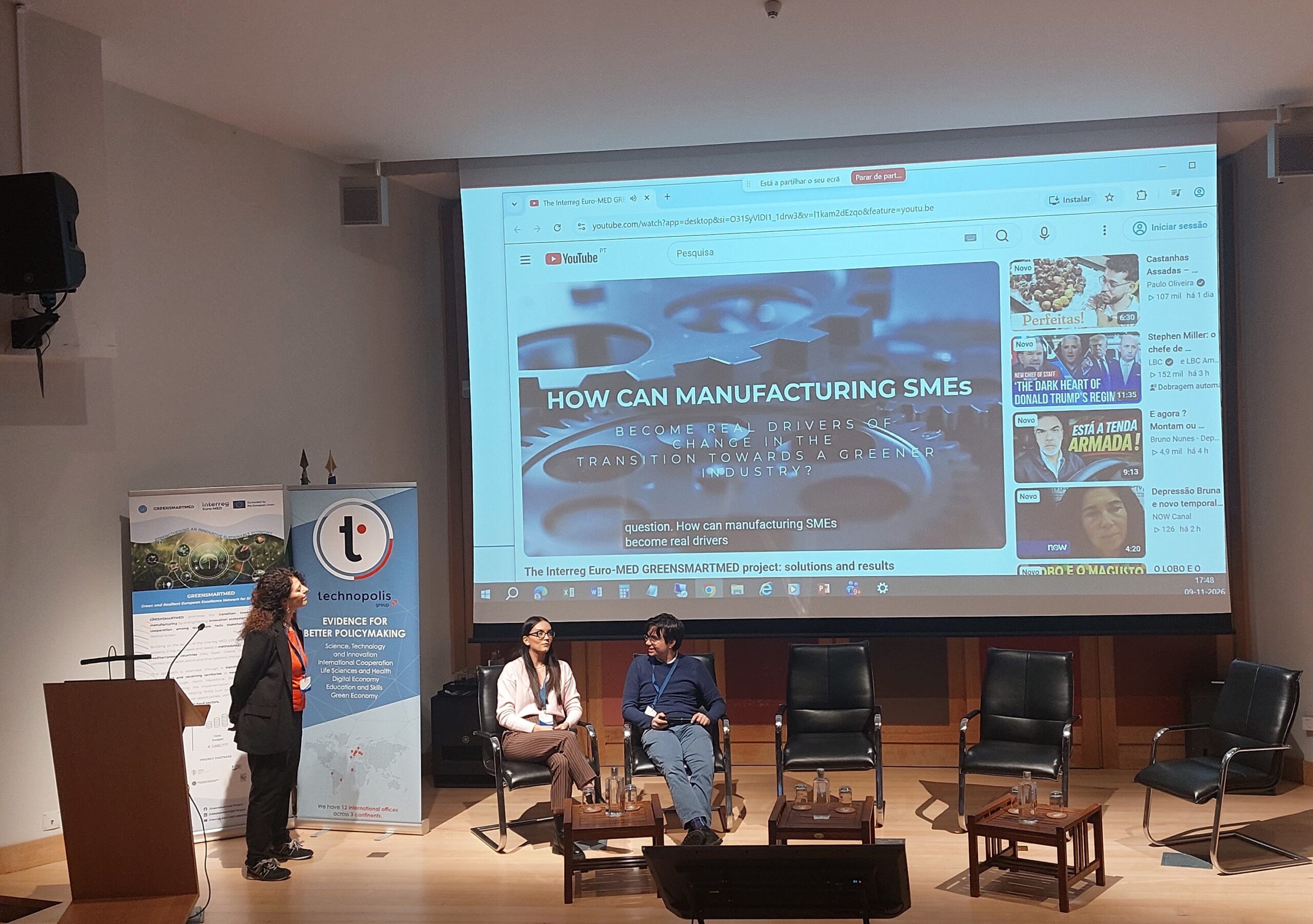
The heart of the afternoon was the transfer workshop, an open space to discuss doubts and potential obstacles. It raised questions that ran through the whole meeting: how can we reach the actors who are usually left out of multi-stakeholder innovation processes? SMEs, first and foremost, with their concrete needs and the green transition opportunities still to be seized. And how can the project’s participatory approach become a tool to build local policies that are closer to the territories?
Another challenge is telling the story of the transfer as it unfolds, through communication and dissemination activities. The discussion then broadened to future cooperation opportunities, from the Interreg Euro-MED Academy to the upcoming transnational events and the follow-up of the capitalisation workshop held in Basilicata during the previous phase: a concrete example of how the methodology can take root beyond the partnership.
Day 2 – Listening to the Alentejo ecosystem
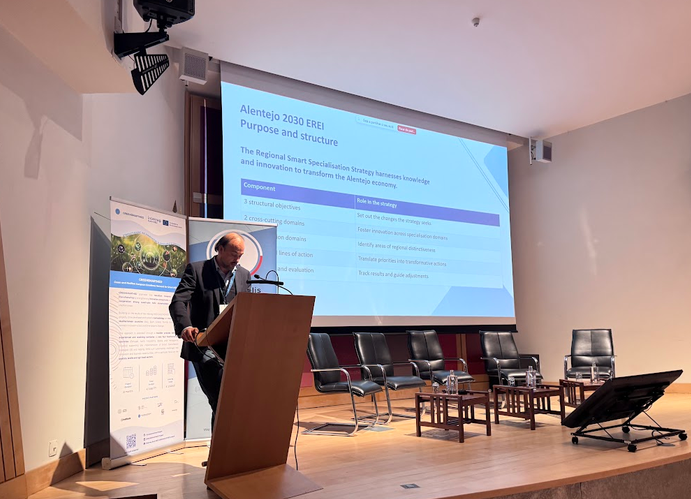
On 10 November, the first transnational event of the transfer phase, “A Mediterranean Exchange: Sharing Perspectives for Agri-Food Innovation in Alentejo”, brought together researchers, businesses and institutions from the region. The opening session highlighted the role of interregional cooperation as a lever for the Alentejo Regional Smart Specialisation Strategy 2030 (EREI), and the contribution GREENSMARTMED can give to more sustainable, circular and resource-efficient agri-food value chains.
The morning continued with an exchange of experiences. From the project network came the stories of the Western Macedonia dairy cluster, biogas and upcycling in Central Macedonia, and the Strategic Community on Secure and Sustainable Food Manufacturing. Alentejo actors responded with insightful cases of their own, including circularity in the olive oil value chain with the University of Évora’s INOVCIRCOLIVE project, dairy effluent treatment with CEBAL, and bio-waste composting with GESAMB. Different contexts, strikingly similar challenges.
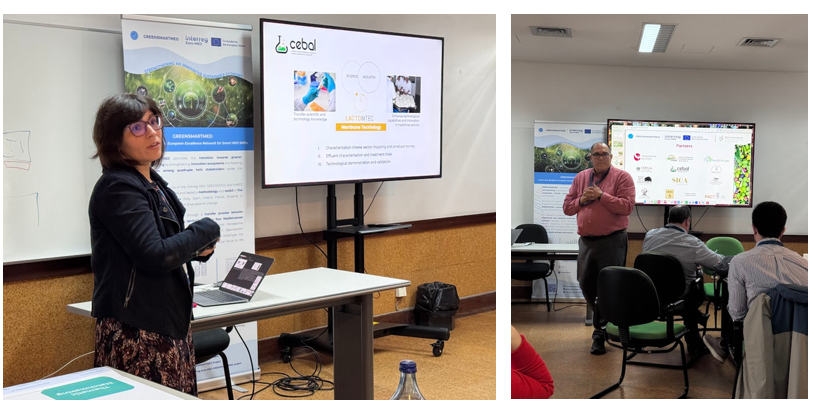
The discussion continued in three matchmaking tables on agro-industrial circularity, water and energy efficiency, and access to funding for SMEs, where partners and regional actors identified shared interests and potential collaborations. Key topics included the valorisation of local resources, coopetition, industrial symbiosis and the need to strengthen the link between research and industry. The morning then closed with an invitation: to join the new Alentejo Regional Core Group.
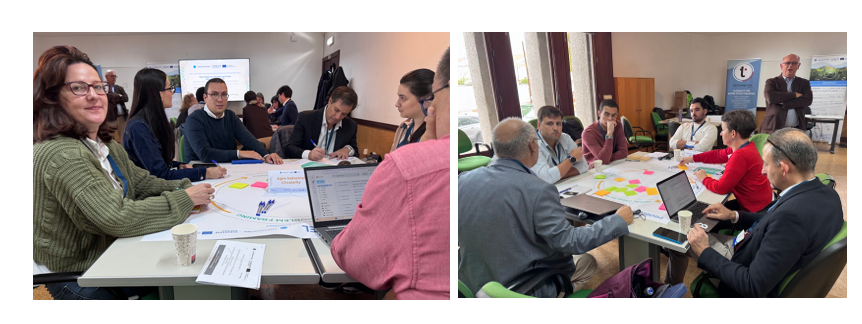
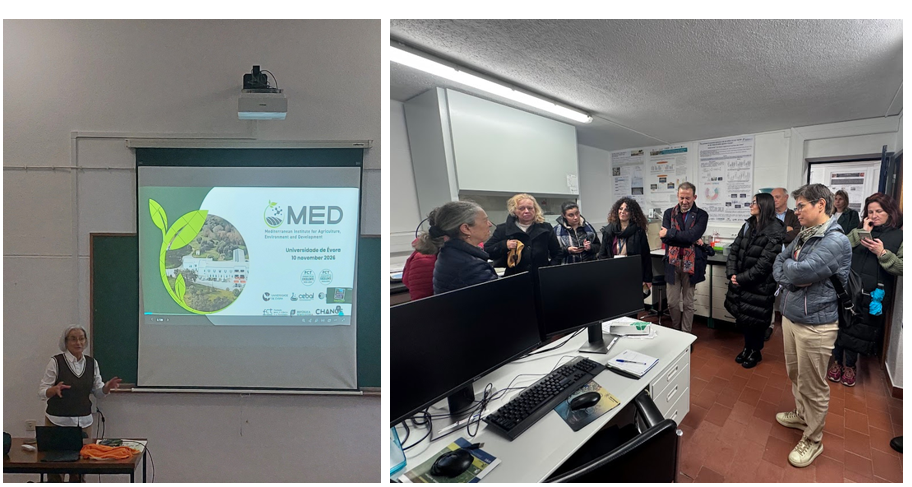
In the afternoon, three study visits offered the chance to explore on the ground some of the experiences presented in the morning.
At the Mitra Campus of the University of Évora, the second oldest in Portugal, MED – Mediterranean Institute for Agriculture, Environment and Development presented its model of fundamental and applied research at the service of businesses, and its approach to European and national projects as a lever for territorial development. The visit to the olive oil and wine laboratories showed strong ties with local companies and research aimed at developing concrete innovations for SMEs, building on the University of Évora experiences presented in the morning.
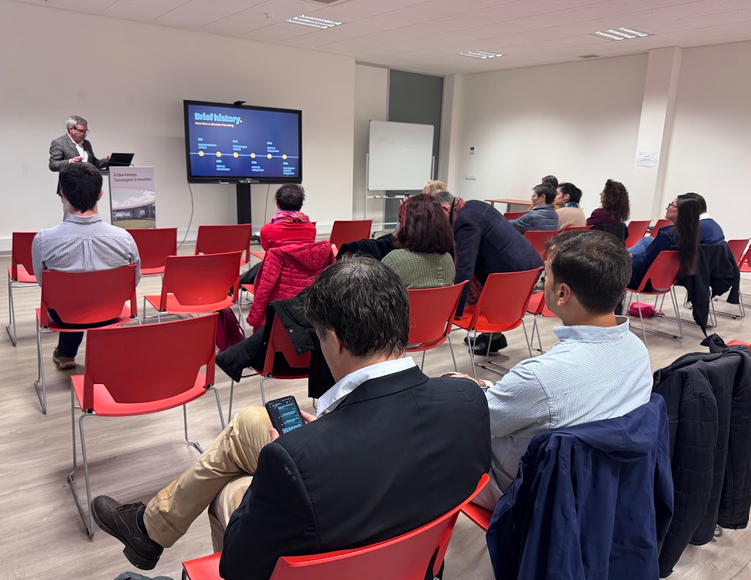
Finally, PACT – Parque do Alentejo de Ciência e Tecnologia presented its role as a bridge between research and industry: taking part in projects that deliver meaningful research and help shape development policies, its commitment to social innovation, and its support to the companies in its network. Two companies then shared their experience: Q-STAFF, which guides businesses towards more sustainable practices, and HIDROSOPH, specialised in decision-support tools for irrigation management.
What we take home from Évora
We left Évora with something more. We met tenacious people with a clear vision. Changemakers committed to valorising local resources through a circular economy lens.
Above all, one message came through loud and clear: the will to listen to the voice of SMEs and help them acquire the right tools to become more sustainable and competitive. Alongside this, the commitment to building an ever stronger bridge between scientific research and innovation, one of the challenges the transfer phase will be called to address.
GREENSMARTMED is co-funded by the Interreg Euro-MED Programme under the Innovative Sustainable Economy Mission.